Studio / activewear extension
Start from the grip-sock category and intended activity.
Review this directionCreate a sock range that belongs with your brand. Make the product role, visual identity, sample approval and replenishment record part of the same development plan.
For independent labels and activewear brands
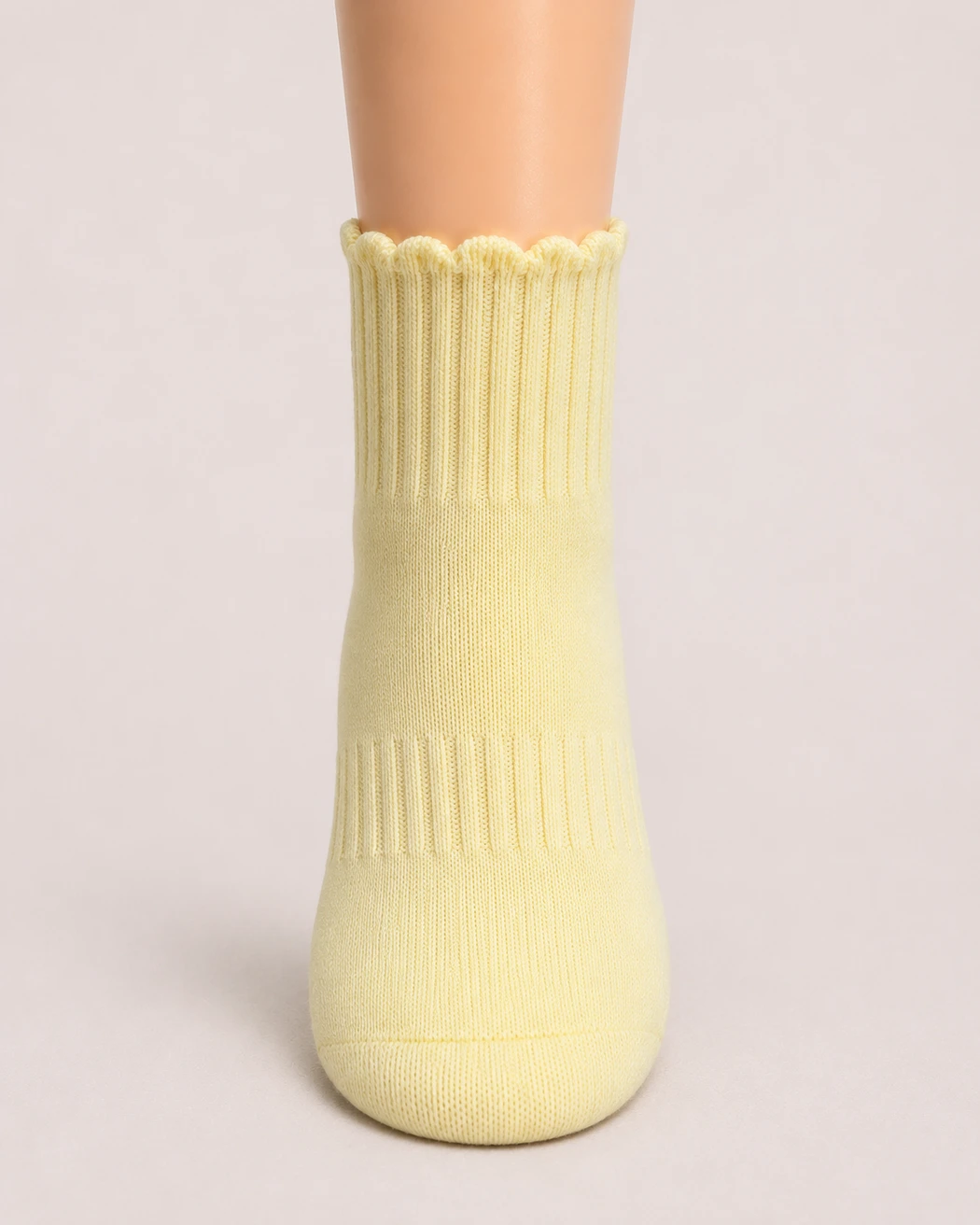
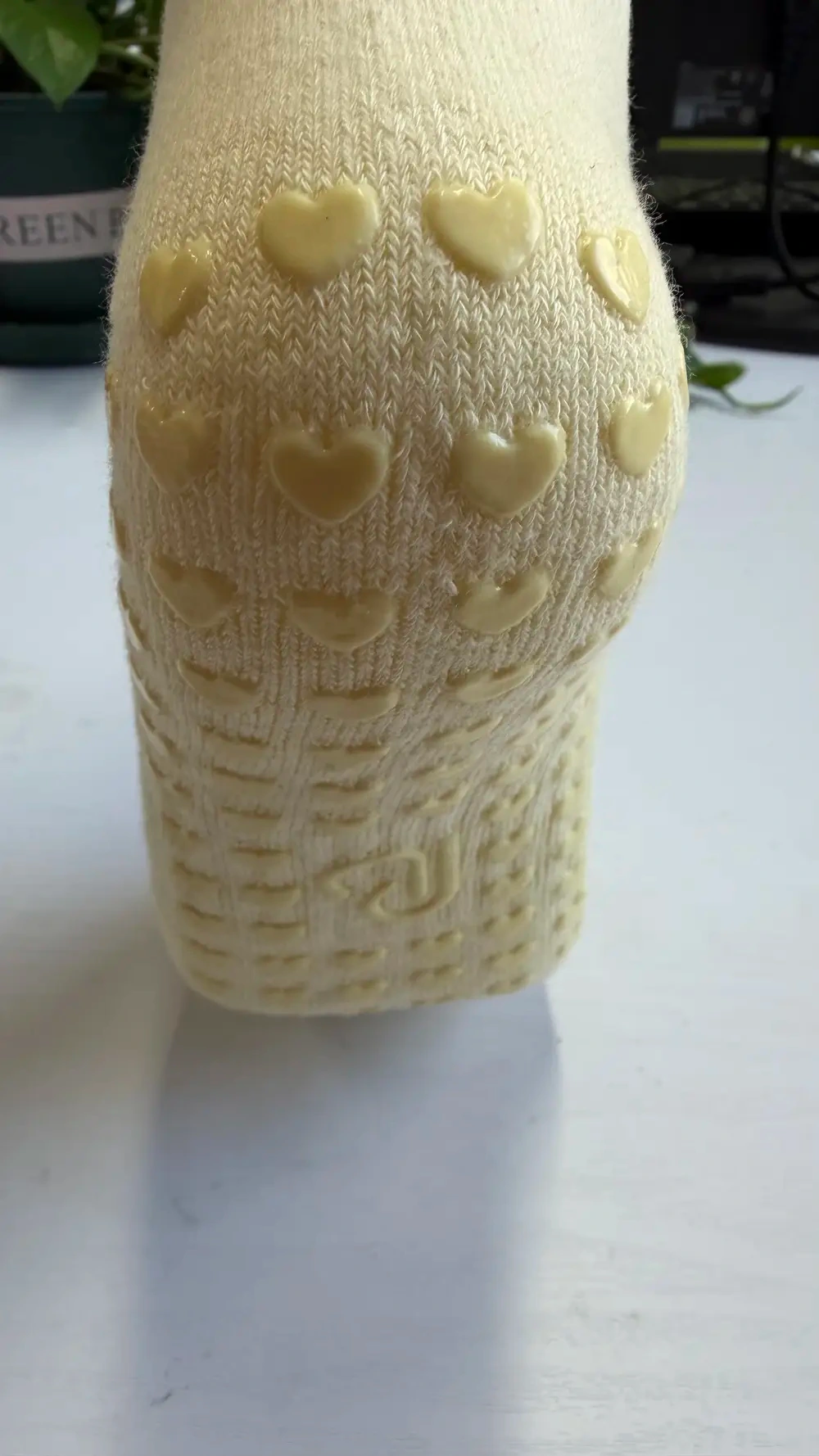 Grip detail
Choose the route that fits your intended use. Each one leads to specific information and a practical next step.
Start from the grip-sock category and intended activity.
Review this directionExplore artwork and footwear-led development.
Review this directionShow colours, artwork size and placement before sample review.
Review this directionUse these distinctions to make a consistent brief. They describe buying decisions, not tested performance or guaranteed order conditions.
| Project stage | Decision to make | Record to keep |
|---|---|---|
| Range definition | Core style, capsule or supporting accessory | Use, audience and variant map. |
| Design development | Product feel, logo, colours and presentation | Dated artwork and requested specification. |
| Sample approval | Which details are approved or still open | Measured sample and review decisions. |
| Repeat order | Unchanged baseline versus requested changes | Approved revision and change list. |
Open a reference for its own photos, construction notes and approval status. A reference ID is not a confirmed production model.
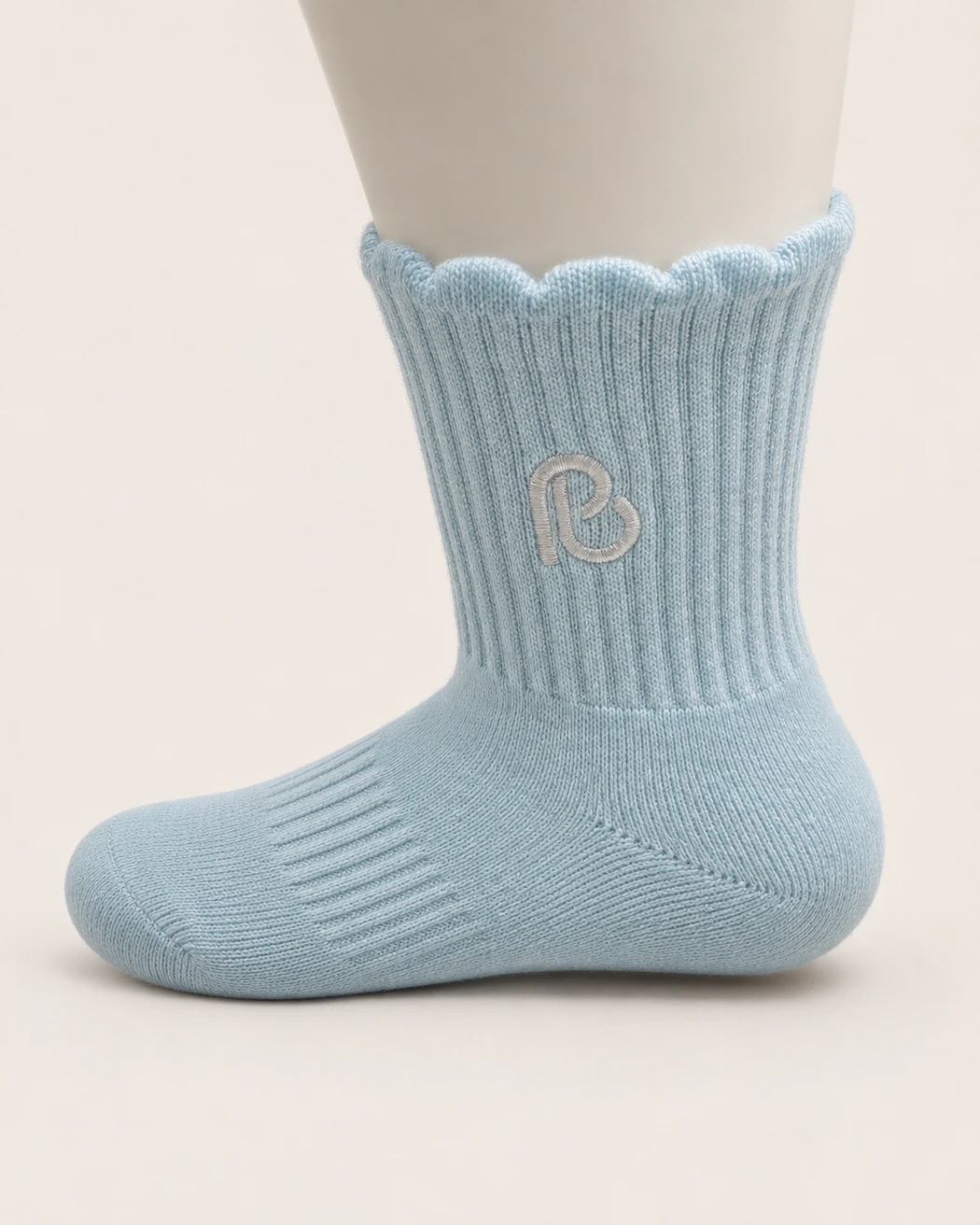
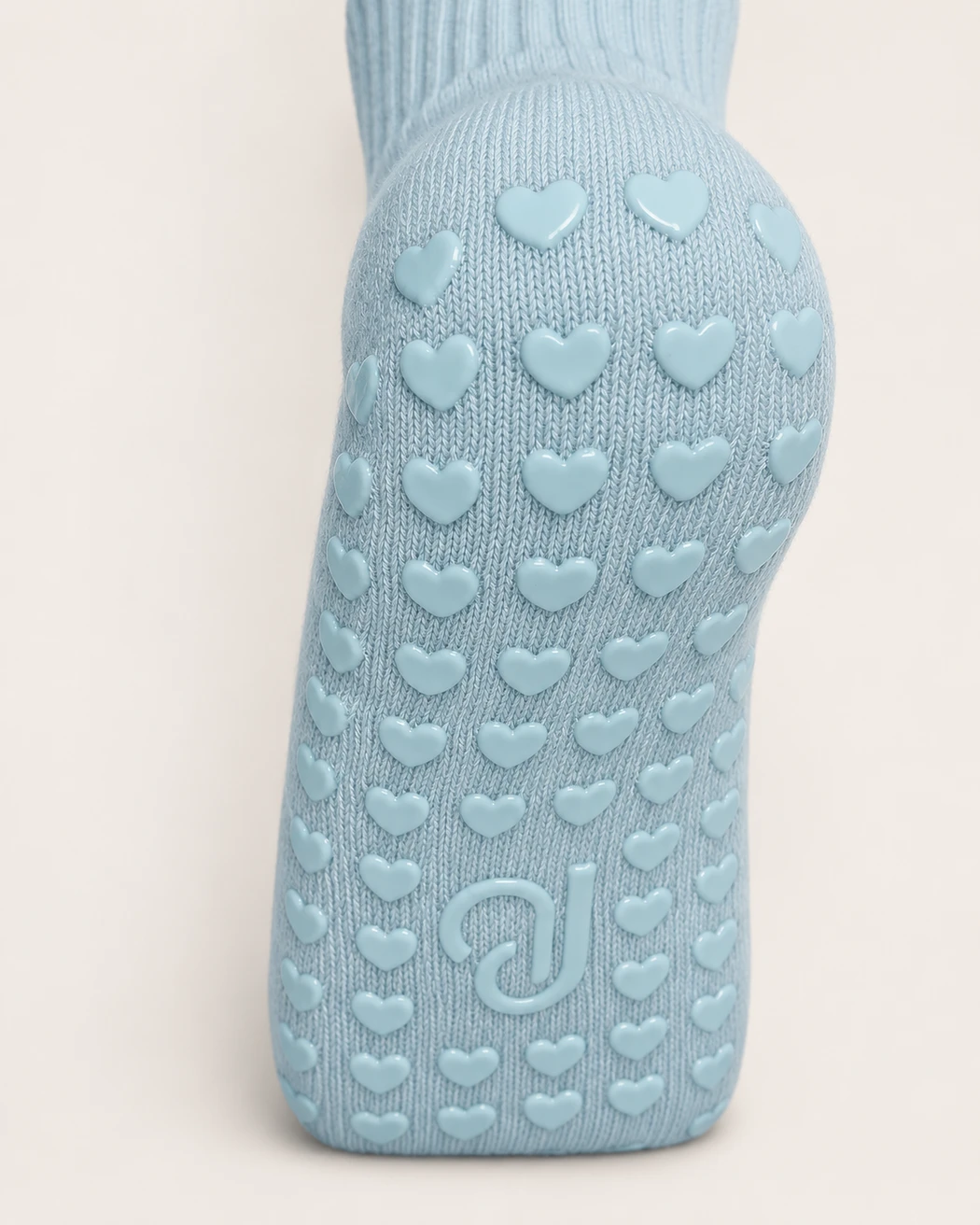 Grip detail
Custom double-grip Pilates socks with full-footbed silicone dots, sky-blue PVC hearts and a scalloped cuff. Explore knit construction, sizing and sample approval.
 Grip detail
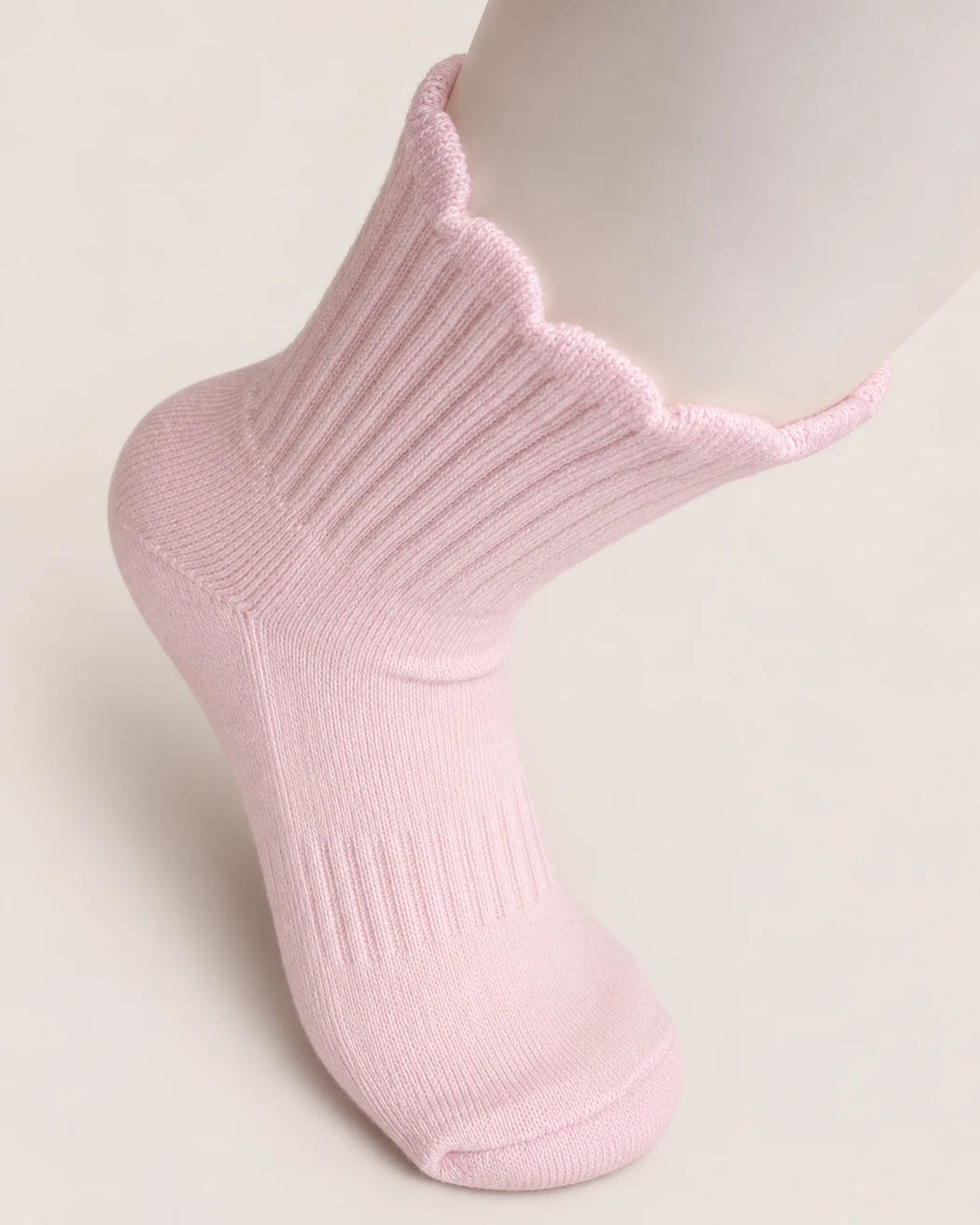
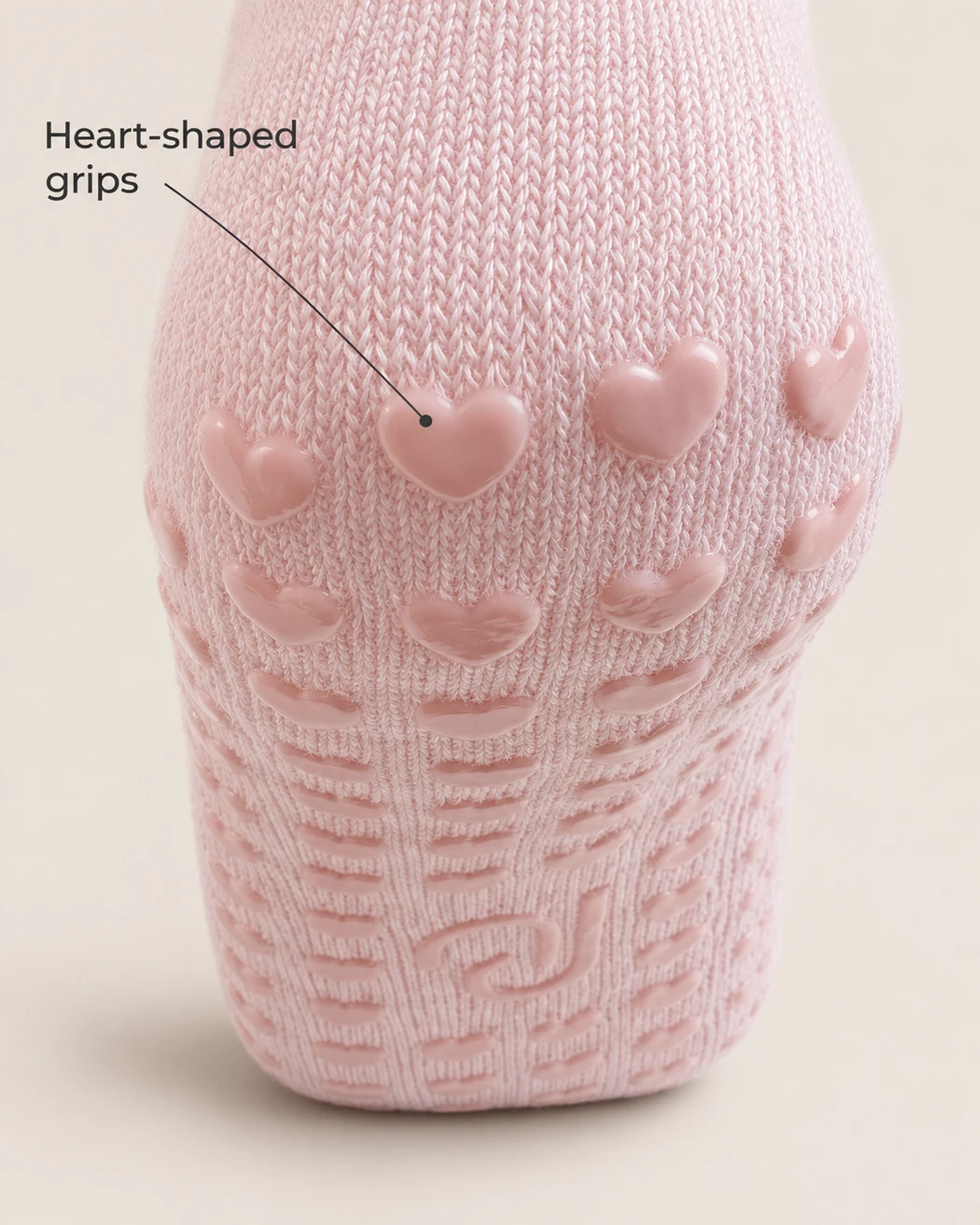
Explore blush pink heart-grip Pilates socks with white embroidery, an elastic arch band and clear silicone dots inside. Choose a cotton yarn shade for a custom run.
 Grip detail
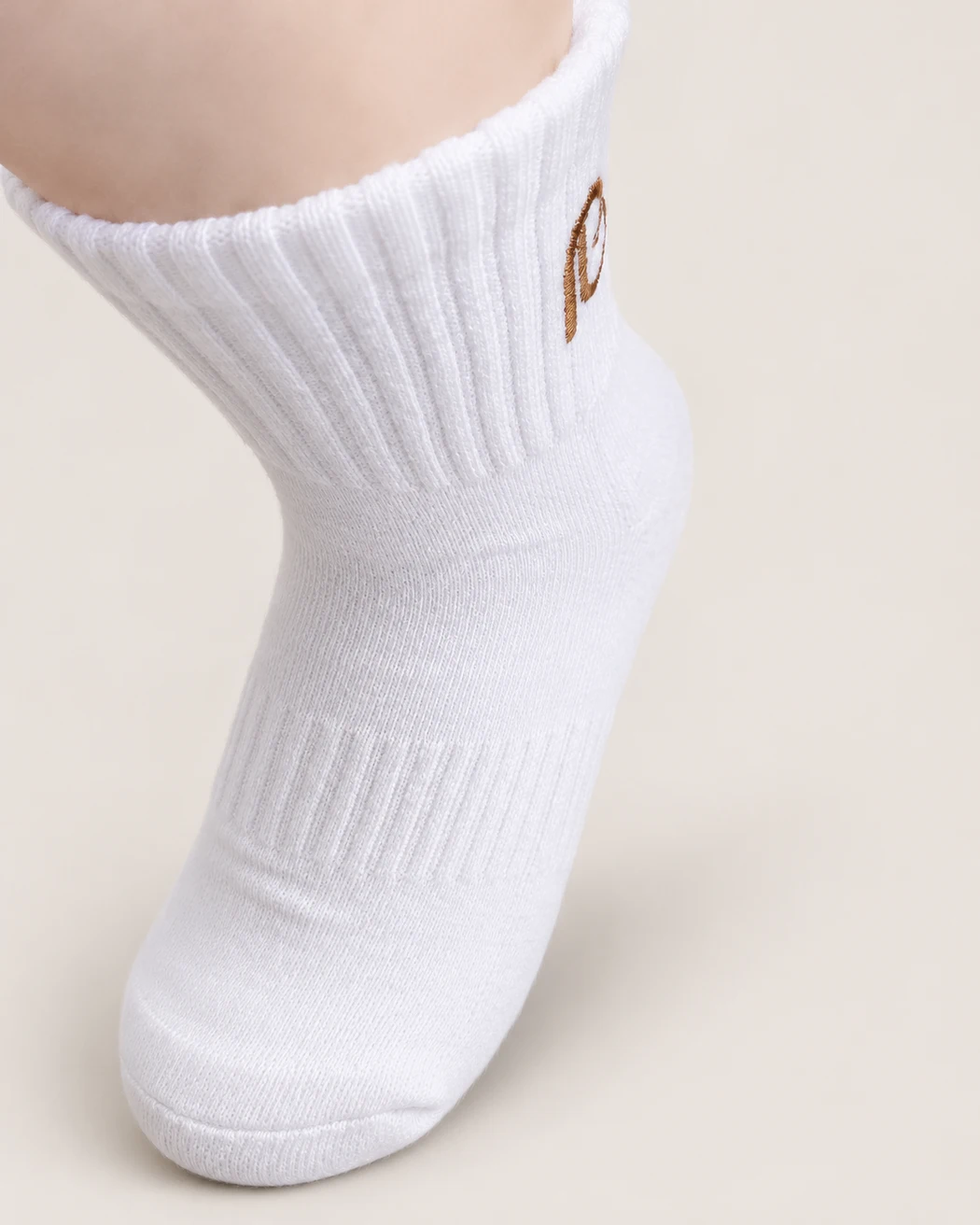
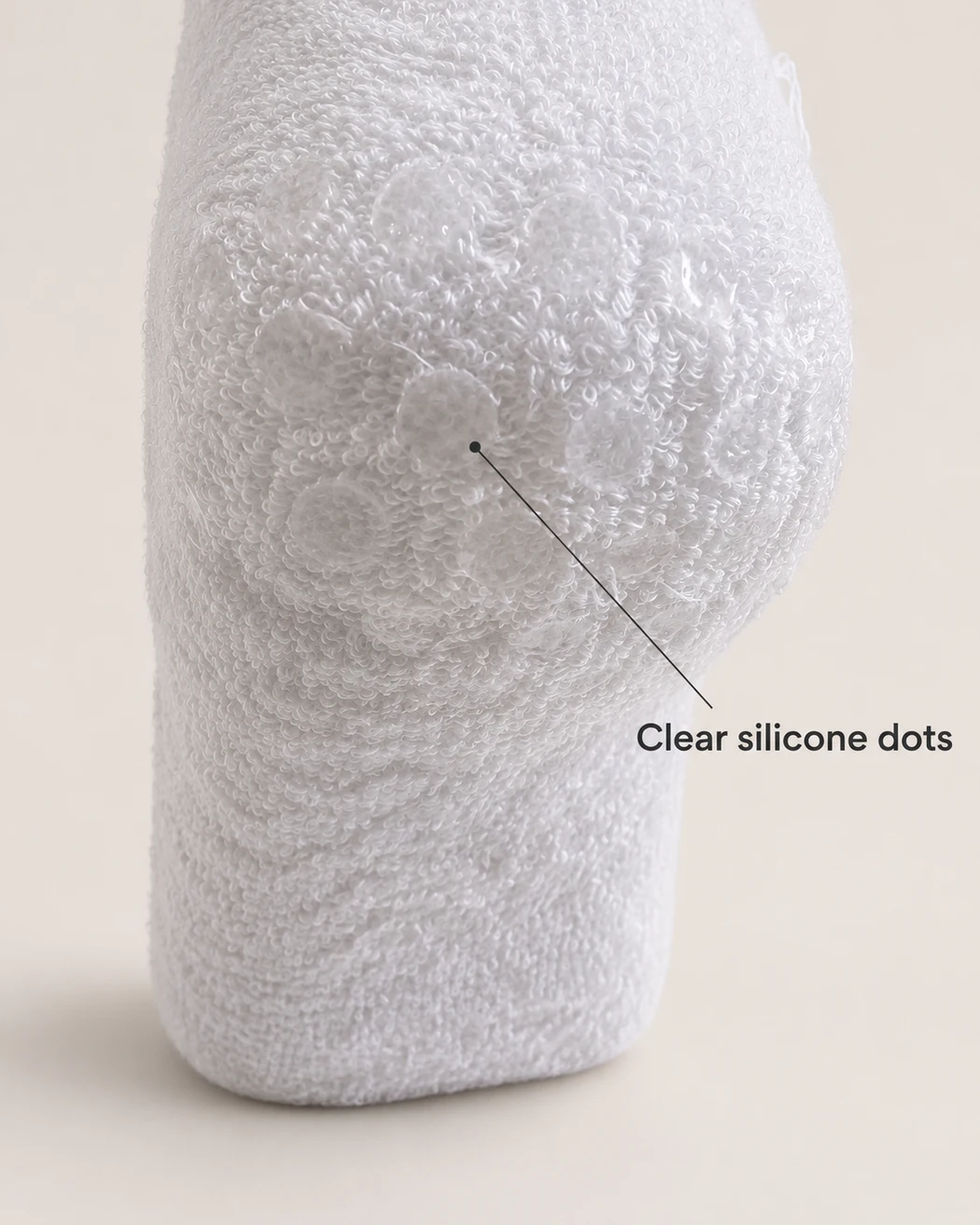
See the white embroidered Heart Double-Grip Pilates sock, its ribbed cuff, smooth toe and clear inner dots. Compare sample colours or request a custom yarn shade.
Grip detailExplore pale yellow Pilates grip socks with a full silicone-dot inner sole, raised outer hearts and a pink embroidered logo. Custom runs start at 200 pairs per design, size and colour.
Build a sock range that belongs with your brand. Align the product, logo, colours, size naming and packaging before approving the physical sample.
Tell us whether the sock is a core studio product, an activewear accessory, a capsule release or a membership item. That choice helps define the brief without assuming the same construction fits every use.
Use one approved brief for colour references, logo placement, artwork version, size labels and packaging. Screen colour and a visual mockup need physical sample confirmation.
A repeat order should identify the previous product and sample version, not just say “same as last time”. Separate unchanged specifications from requested changes and confirm availability and order conditions again.
A brand brief connects the product feel, colours and artwork with a consistent presentation. Specify measurable choices before describing the range as premium.
| Layer | Decision | Record |
|---|---|---|
| Product identity | Cuff silhouette, knit texture, inside / outside grip and fit | Approved physical sample |
| Visual identity | Yarn, embroidery and grip colour references; artwork sizes | Dated artwork and physical colour approvals |
| Range identity | Which design, size and colour combinations belong together | Variant list with quantities and identifiers |
| Retail identity | Packaging format, care information and size communication | Approved packed sample and artwork version |
Connect the product reference, visual brief and development checkpoints.
Review sample approval, packaging and quote scope before committing to an order.
Give each artwork layer a clear purpose, position and size. The selected construction and physical sample determine what can be reproduced, not the screen mockup alone.
Confirm the sample identity, measurements and colour reference together. A website reference ID, a production model and an approved revision have different purposes.
Approve an identified physical sample against a written brief. Keep visual direction, sample evaluation and production approval as separate decisions.
Plan packaging as part of the product brief. Give the buyer, designer and packing team one clear version of the product names, size information, artwork and assortment.
Compare quotations against the same product brief. Separate a ready-stock purchase from a custom development project before comparing quantities, timing or price.
Keep a repeat order tied to the approved sample and revision, and make changes visible before confirming the next batch.
Keep the sample identity, measured specification, artwork and packaging revision together. Check that any requested document applies to that product and its intended conditions.
Review evidence requirements · Open versioned planning documentsUse shared brand colour and artwork references, while confirming the construction and reproduction of each category independently. A common logo does not make the physical specifications identical.
Use the same item, variant quantities, artwork, sample scope, packaging, destination and requested timing. Ask which services and changes are included.
Customer relationships and public branding do not automatically authorize a case study. Your own project should be assessed using its approved sample, specification and applicable documents.
Bring your logo, colour references, proposed artwork method, size identifiers and packaging concept together. Feasibility, sample work and costs depend on the selected construction and project. Approve the physical result and packaging version before ordering.
Tell us the direction you are exploring and the decisions you need help with. This page and its project context will travel with your inquiry brief.
Include your intended use, reference or drawing, size and quantity mix, destination and the questions you still need help with.