Double Grip collection
Explore four photographed Heart colourways and their recorded construction.
Review this directionBuild a grip sock around the way it will be worn and the brand it represents. Start with the Double Grip collection or a visual reference, then compare contact zones, fit and artwork requirements.
For Pilates studios, yoga businesses and private-label brands
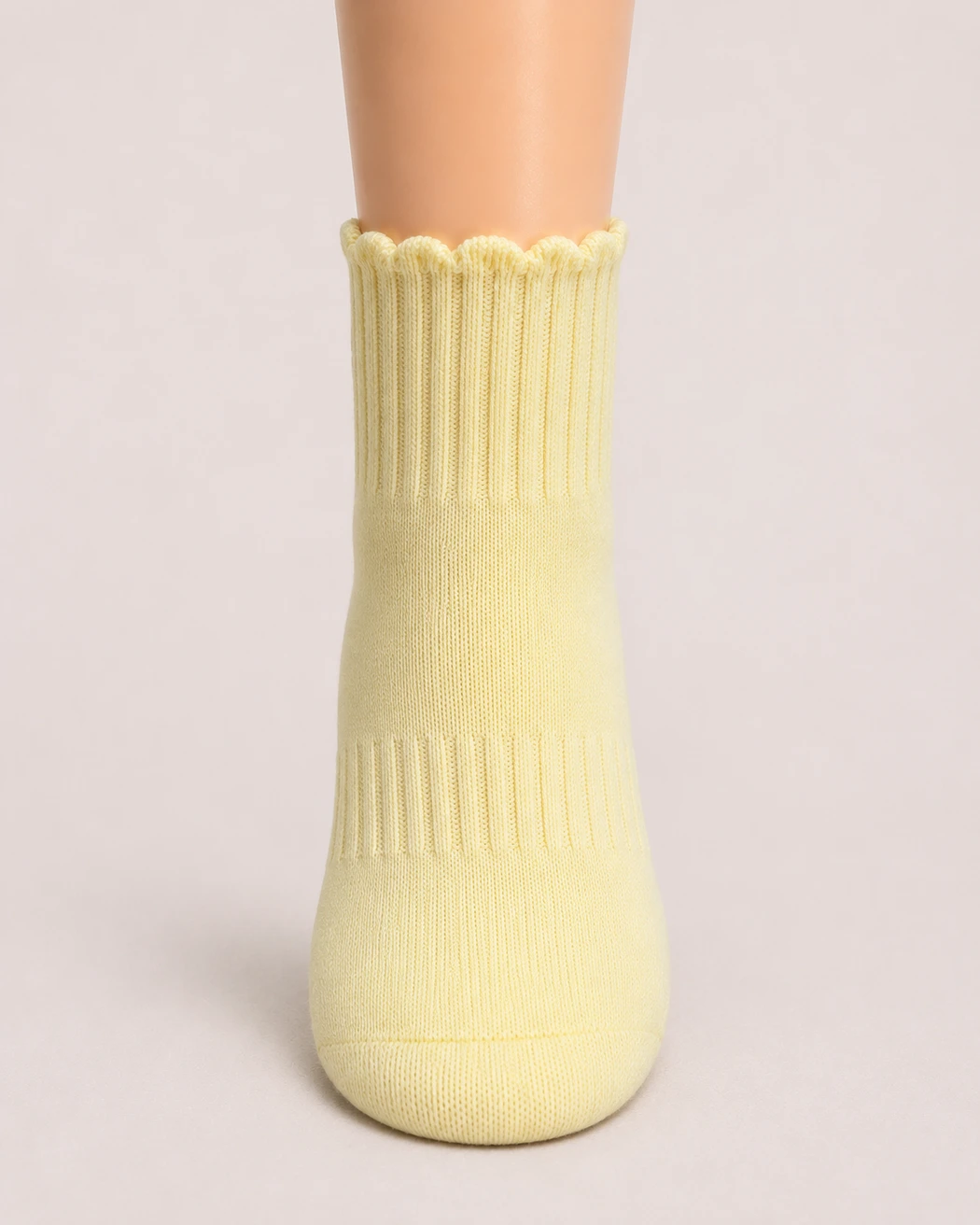
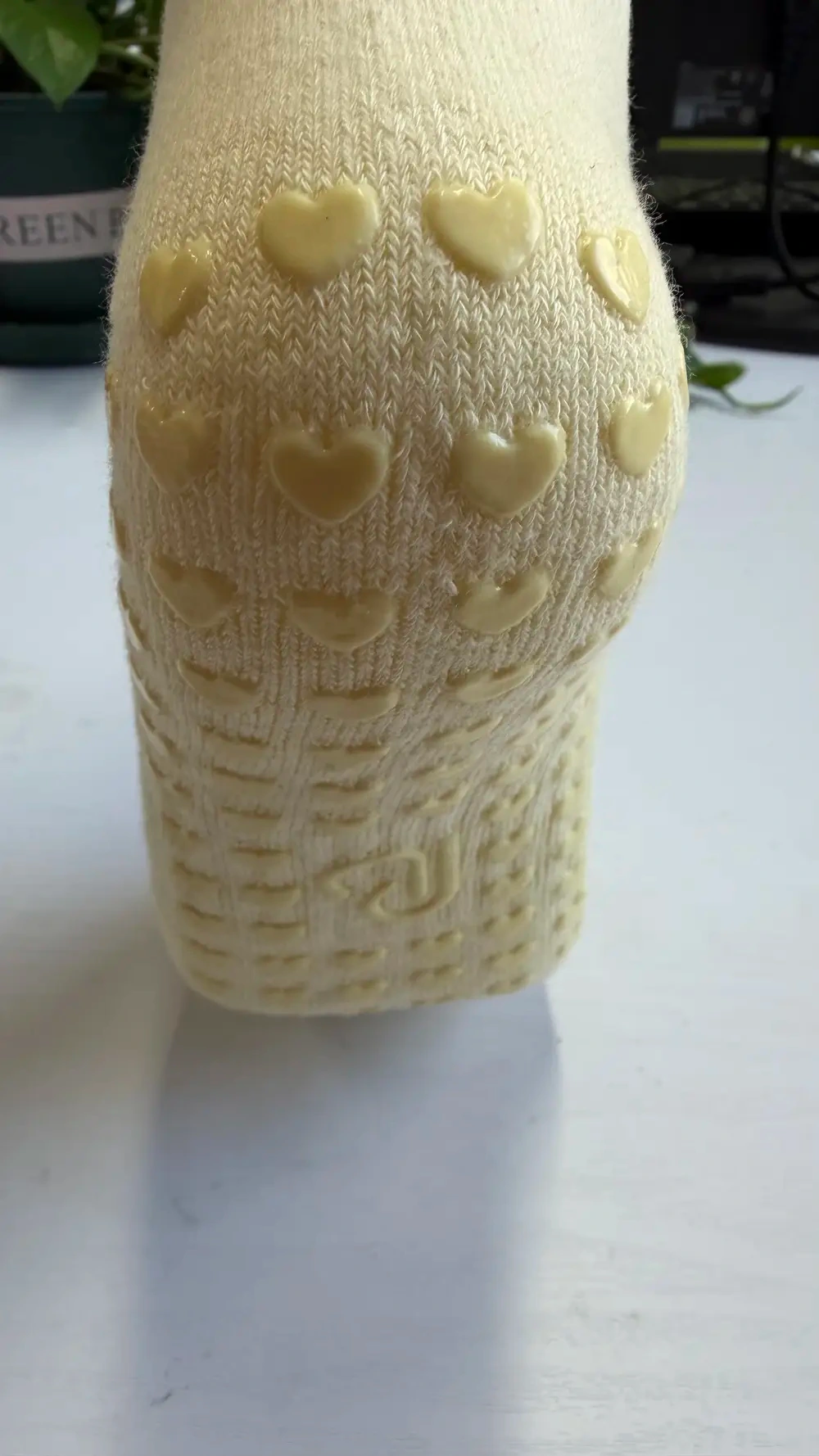 Grip detail
Choose the route that fits your intended use. Each one leads to specific information and a practical next step.
Explore four photographed Heart colourways and their recorded construction.
Review this directionDefine equipment contact, fit and sample observations.
Review this directionSeparate class requirements, mat contact and toe coverage.
Review this directionCoordinate the assortment, branding and packaging.
Review this directionUse these distinctions to make a consistent brief. They describe buying decisions, not tested performance or guaranteed order conditions.
| Decision | Define it separately | Why it matters |
|---|---|---|
| Outer grip | Contact layout, intended surface and grip compound | A sole photograph does not confirm performance on every surface. |
| Inner grip | Heel / footbed position and wearer contact | Inside movement is a different interface from the outer sole. |
| Fit and knit | Sock height, toe construction, dimensions and yarn blend | A colourway alone does not describe the complete specification. |
| Brand identity | Logo method, physical size, placement and colour | Check appearance and construction on the approved sample. |
Open a reference for its own photos, construction notes and approval status. A reference ID is not a confirmed production model.
No matches. Clear the filters or share your requirements.
Filters show recorded attributes only. For unconfirmed sizes, materials or construction, prepare a specification brief or ask about your selected reference.
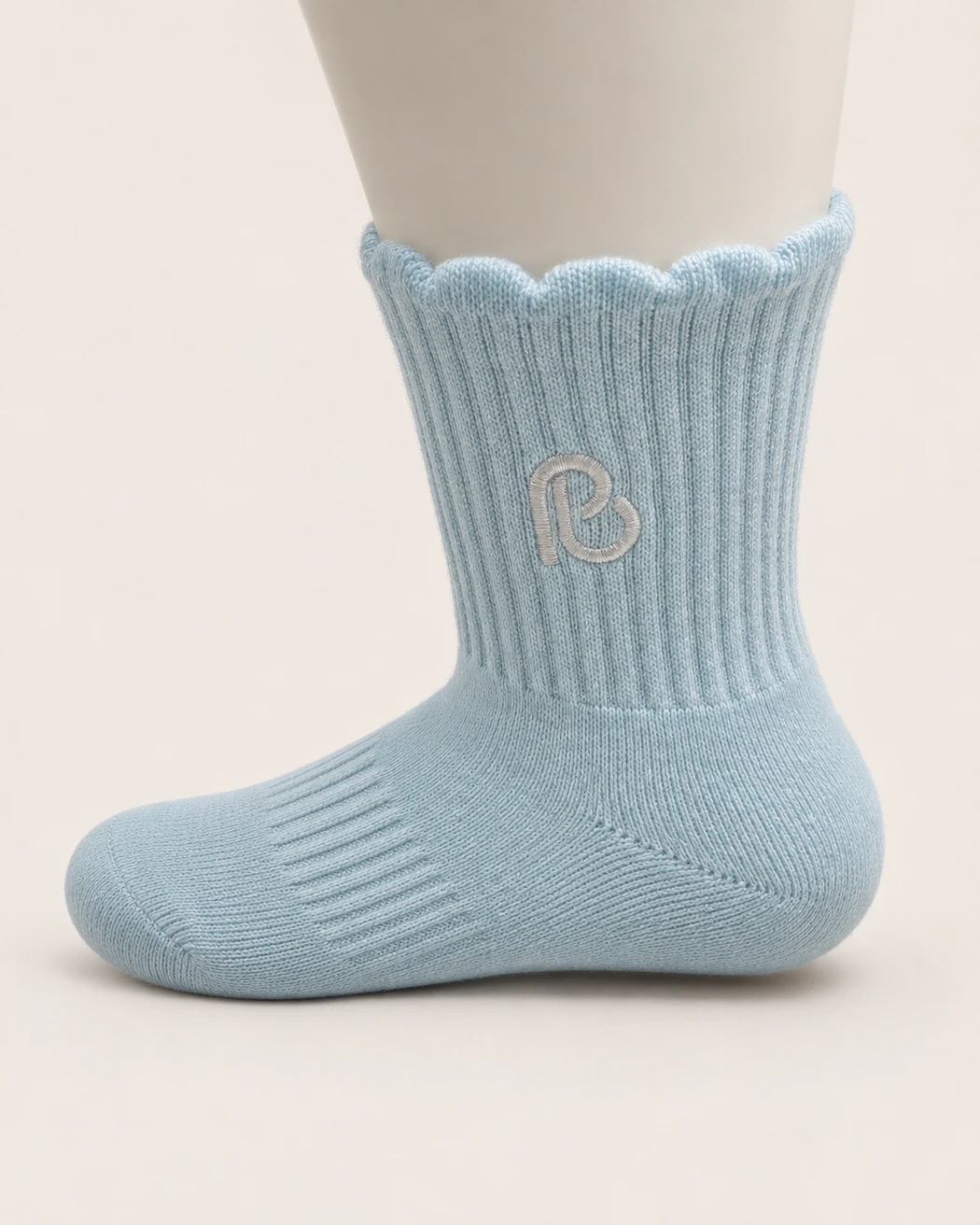
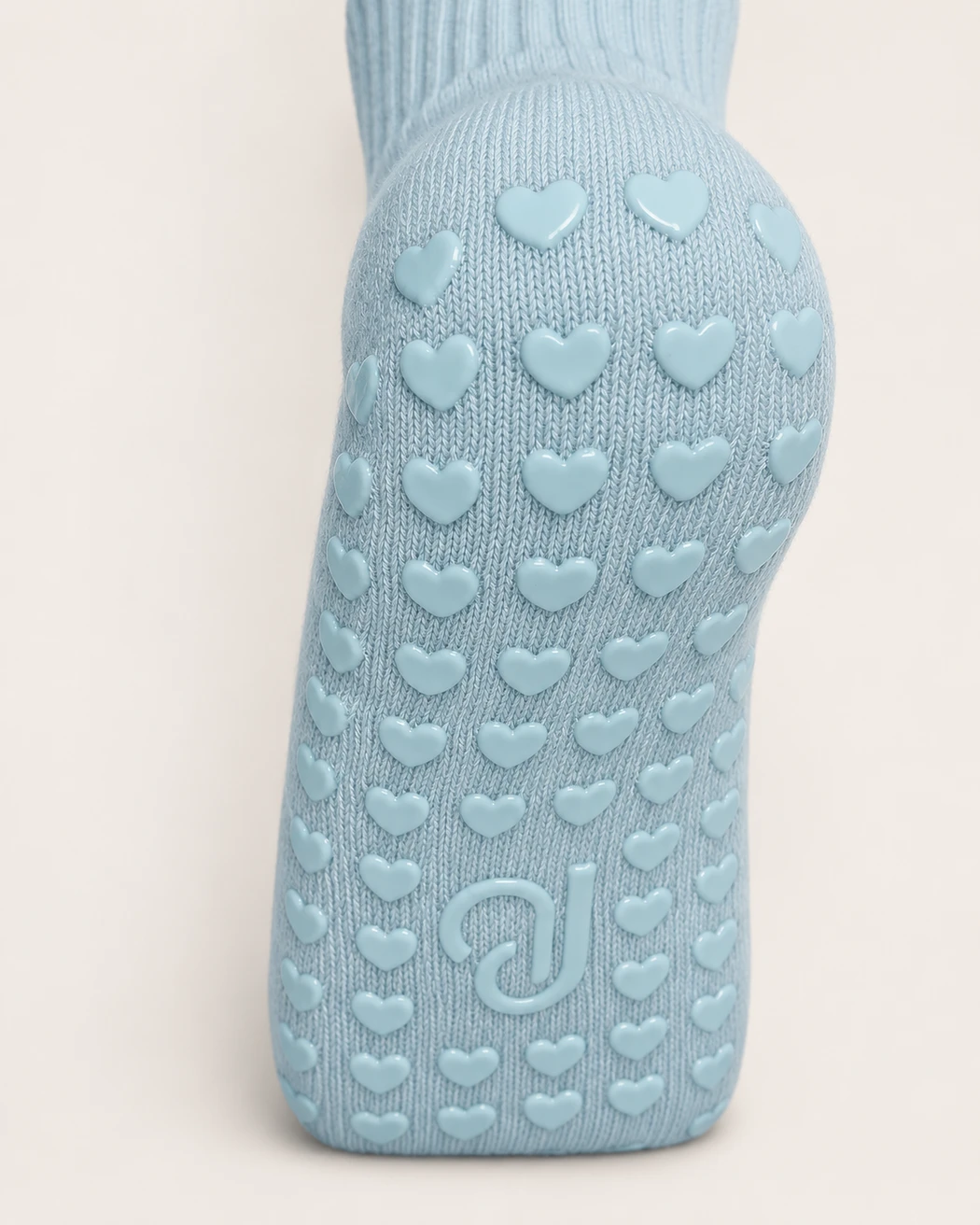 Grip detail
Custom double-grip Pilates socks with full-footbed silicone dots, sky-blue PVC hearts and a scalloped cuff. Explore knit construction, sizing and sample approval.
 Grip detail
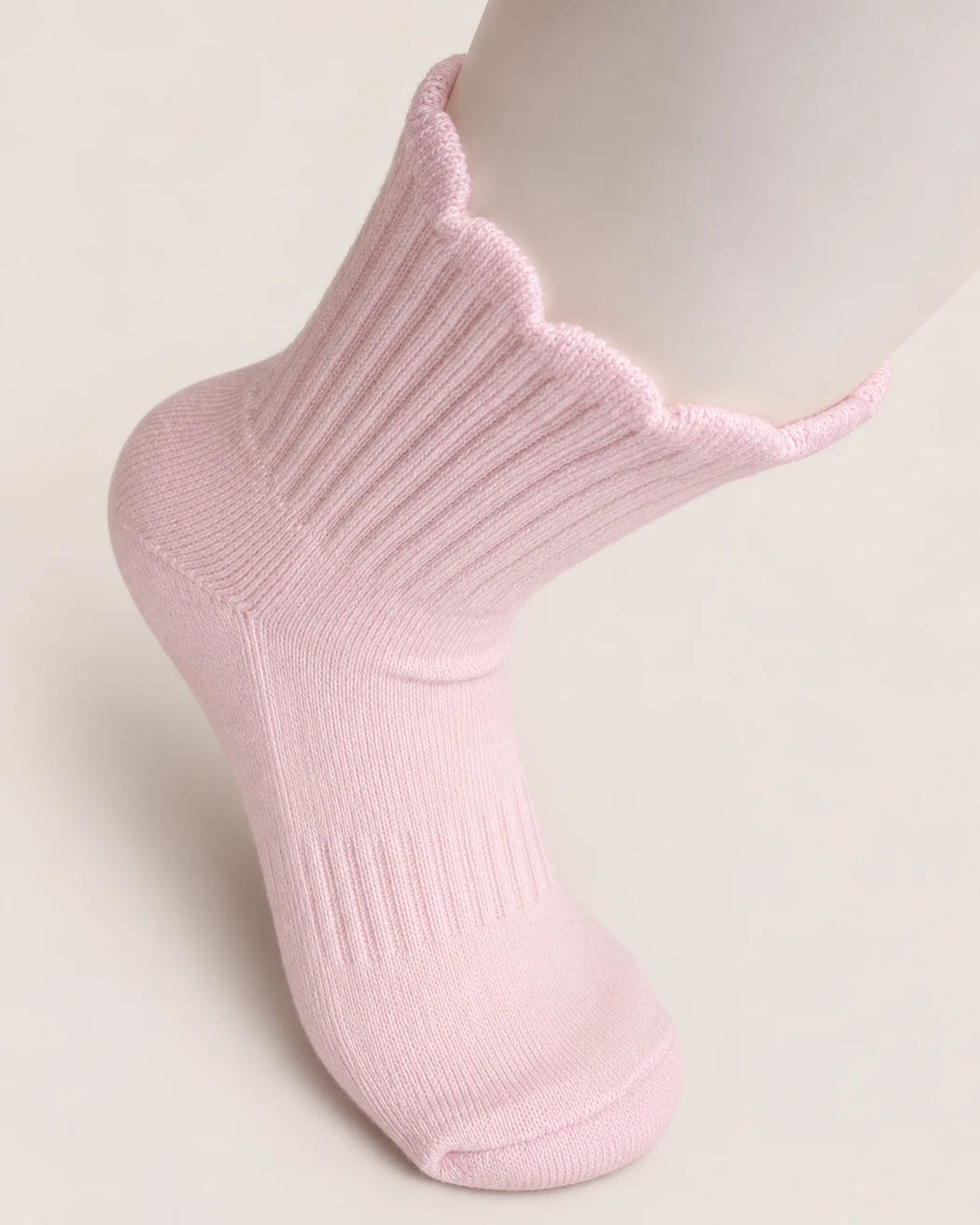
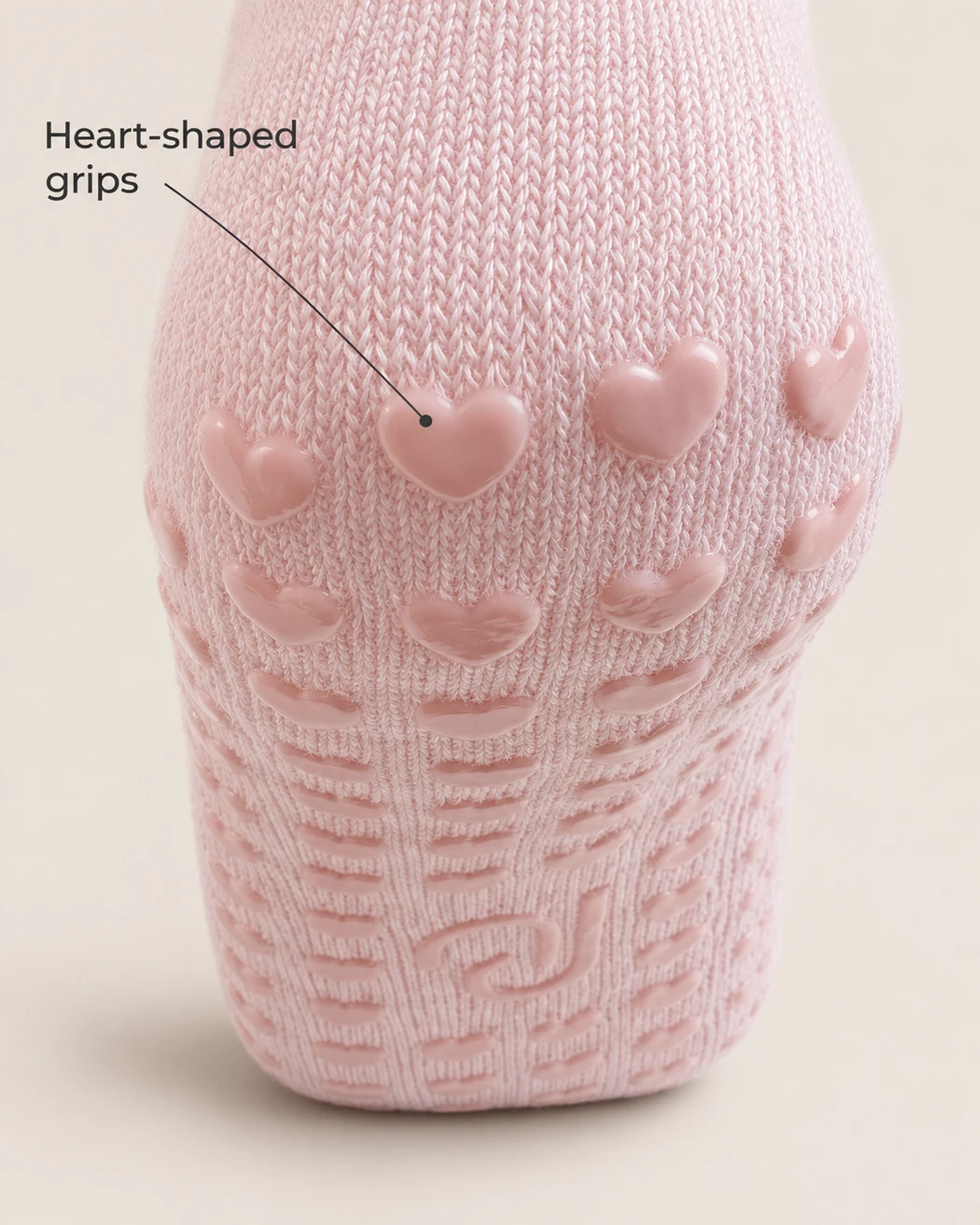
Explore blush pink heart-grip Pilates socks with white embroidery, an elastic arch band and clear silicone dots inside. Choose a cotton yarn shade for a custom run.
 Grip detail
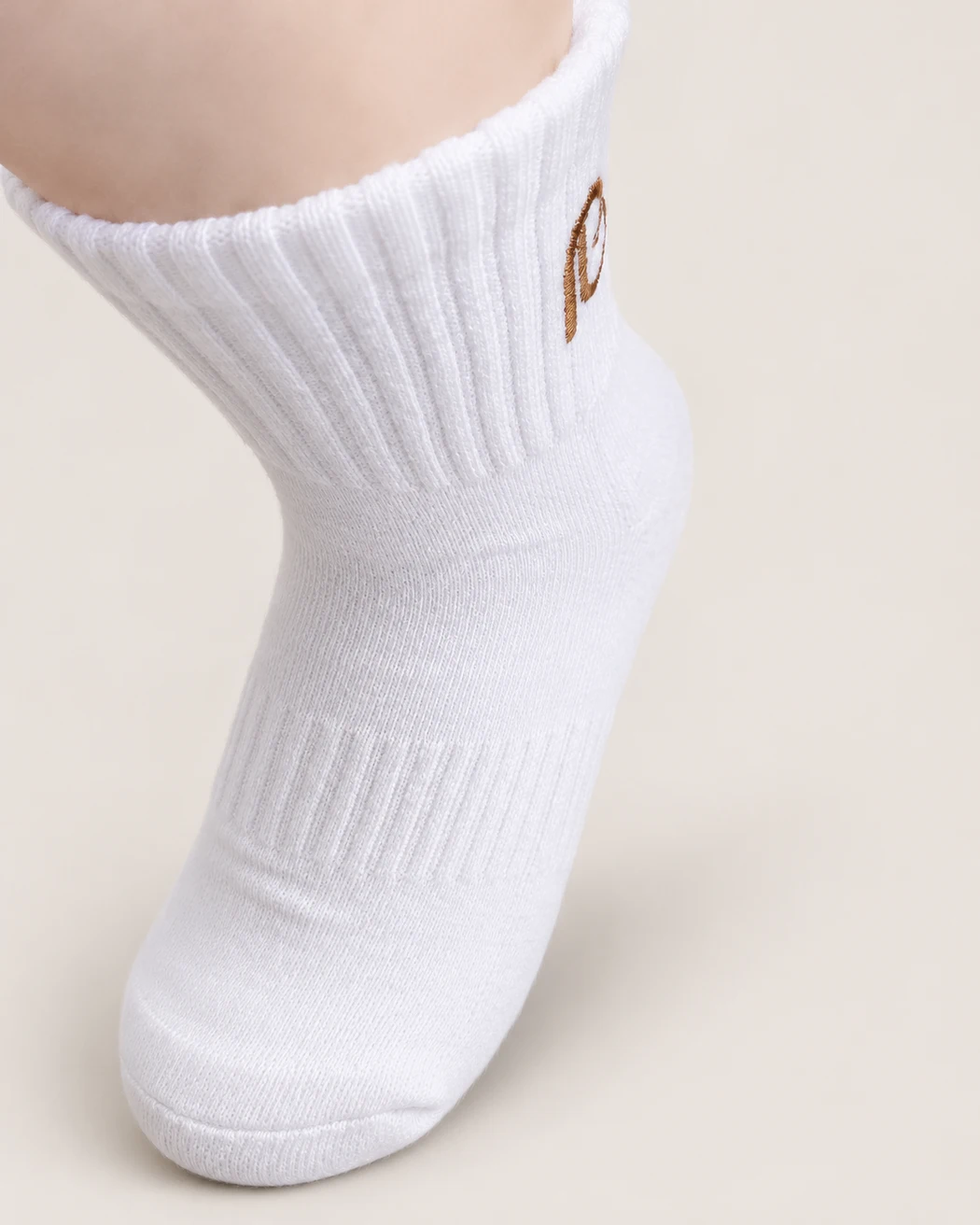
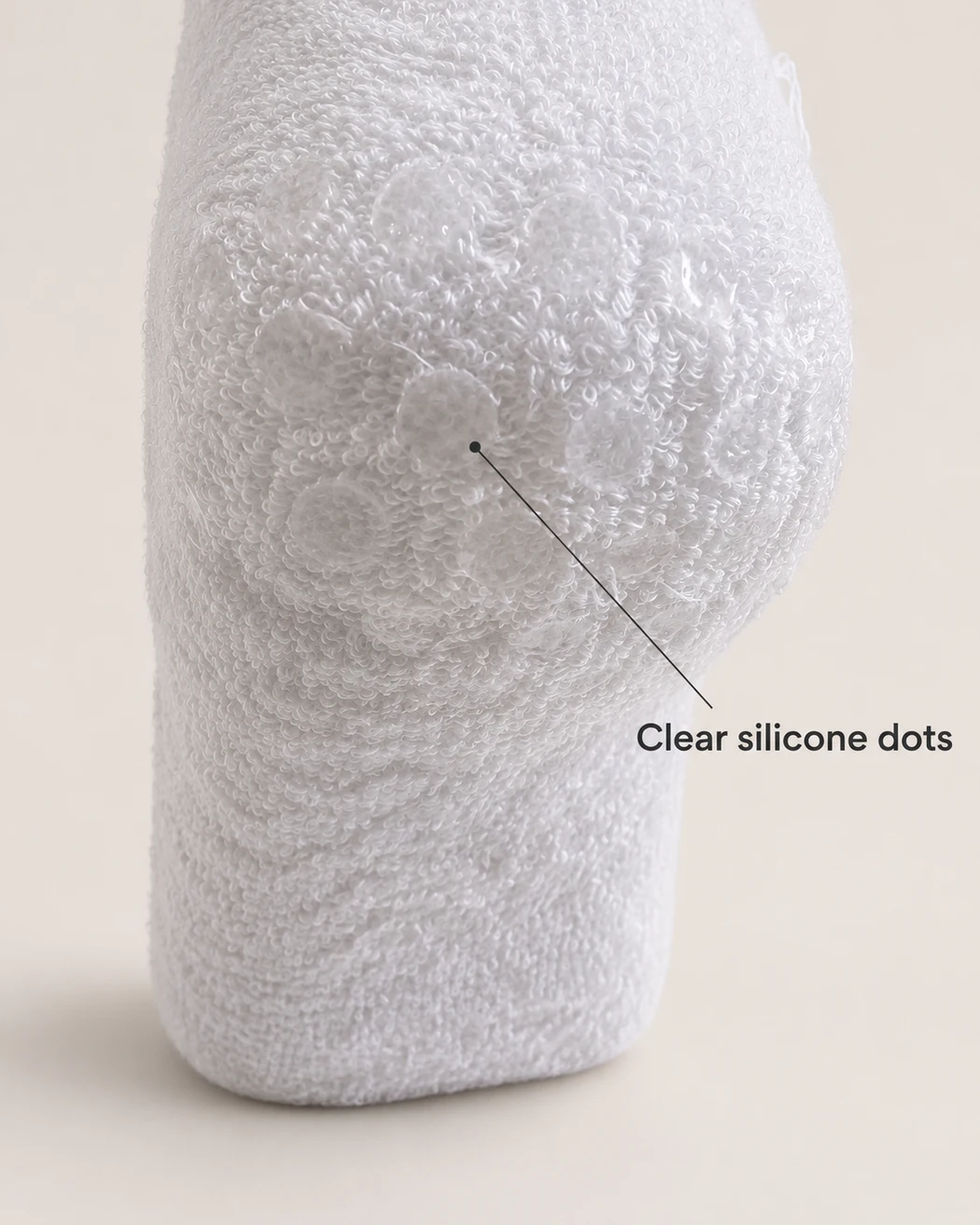
See the white embroidered Heart Double-Grip Pilates sock, its ribbed cuff, smooth toe and clear inner dots. Compare sample colours or request a custom yarn shade.
Grip detailExplore pale yellow Pilates grip socks with a full silicone-dot inner sole, raised outer hearts and a pink embroidered logo. Custom runs start at 200 pairs per design, size and colour.
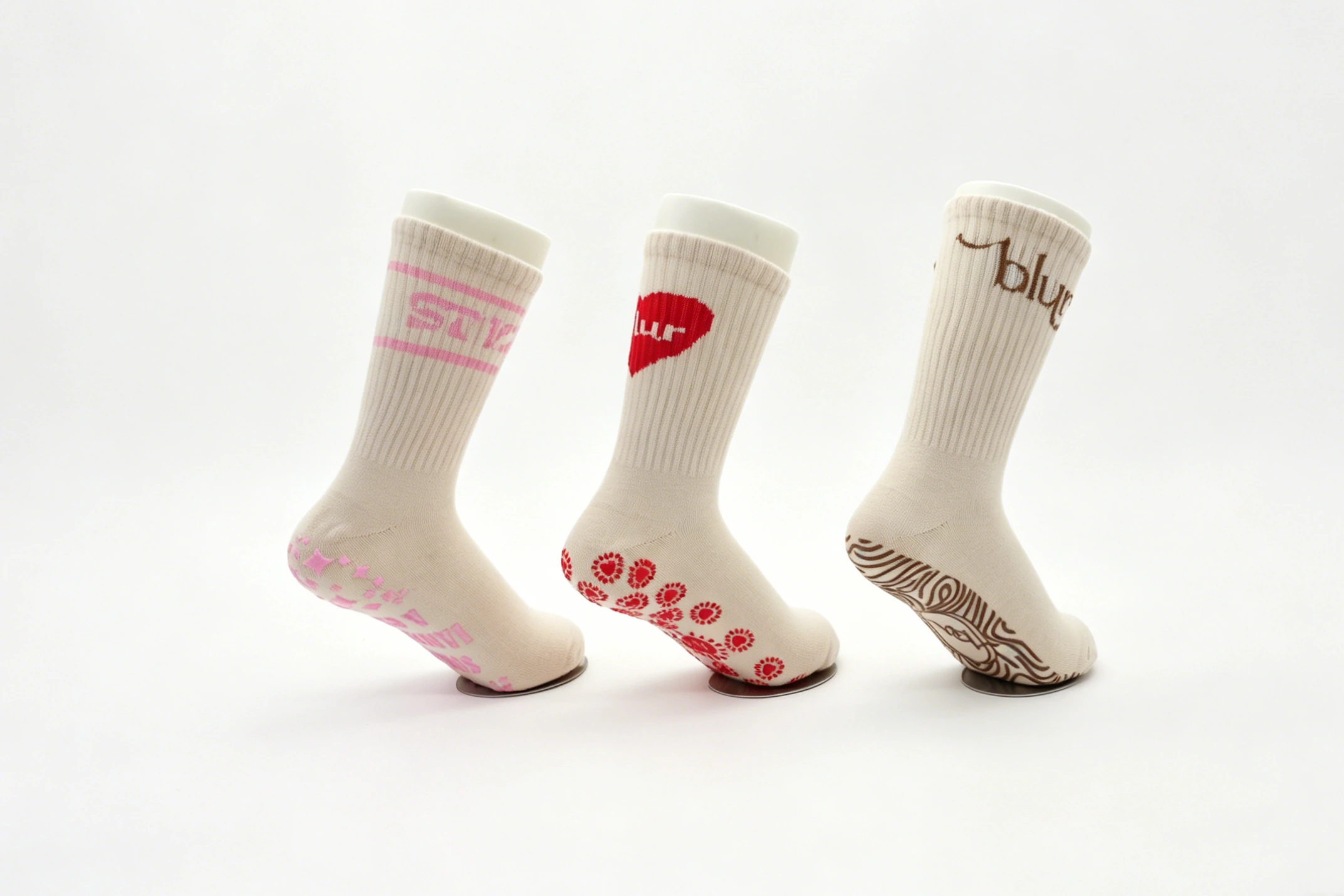
Visual reference · specifications and version to be confirmed
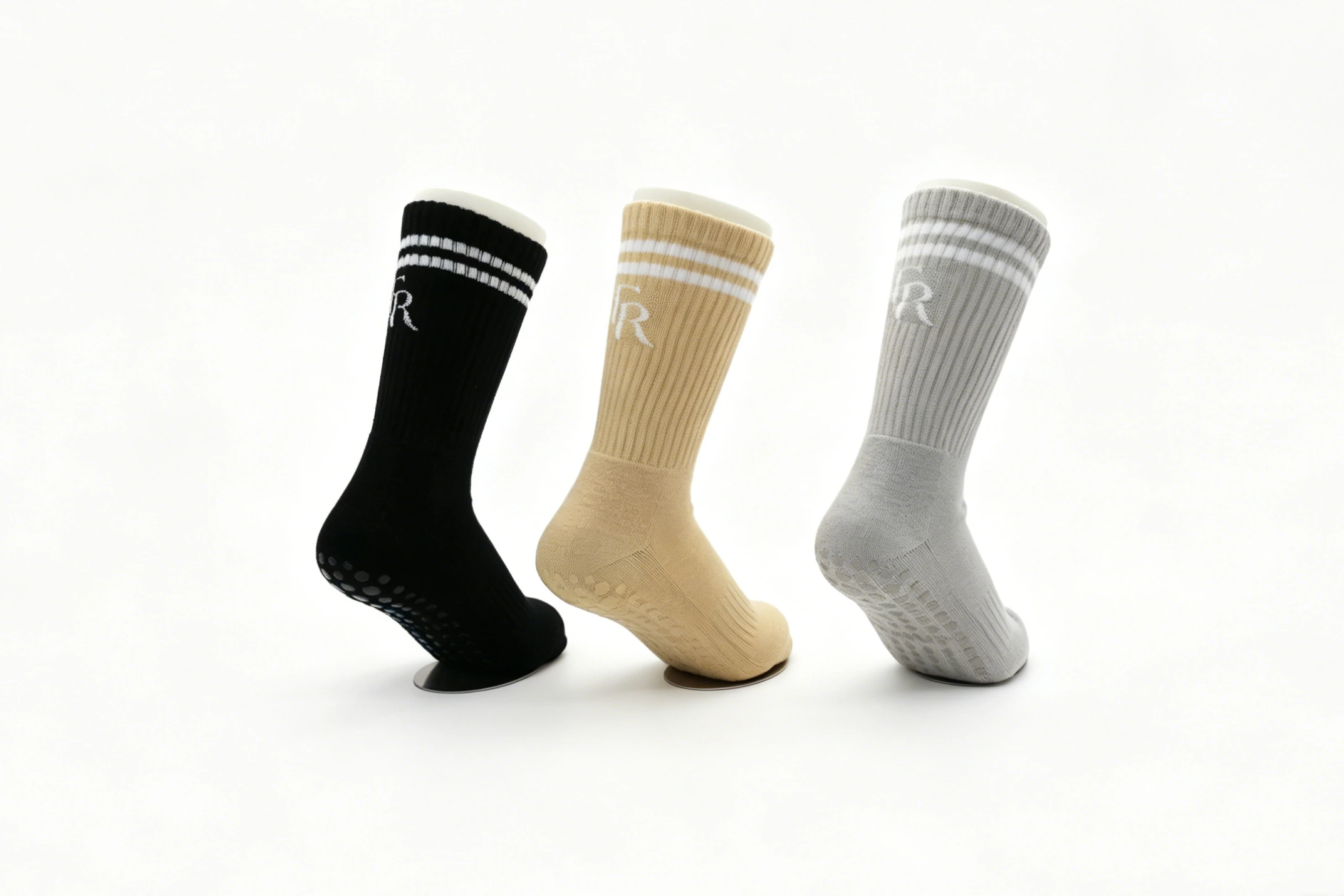
Visual reference · specifications and version to be confirmed
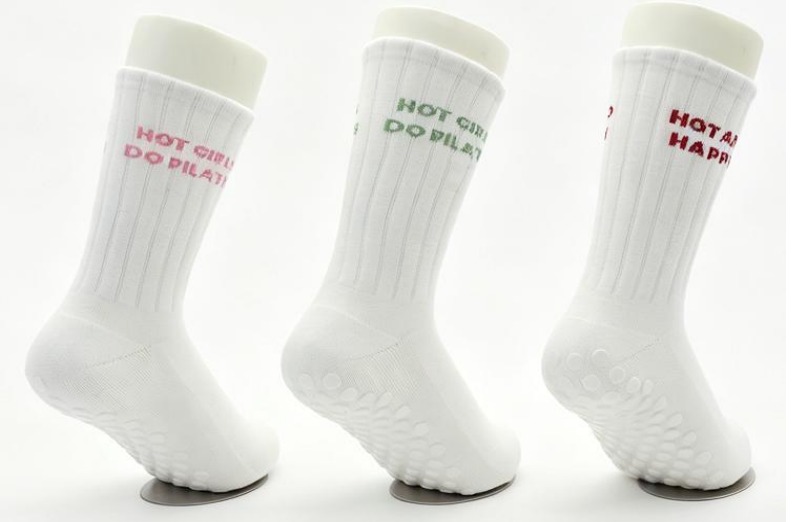
Visual reference · specifications and version to be confirmed
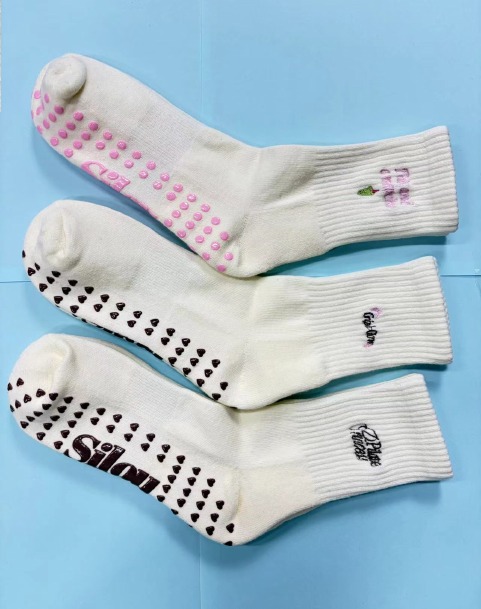
Visual reference · specifications and version to be confirmed
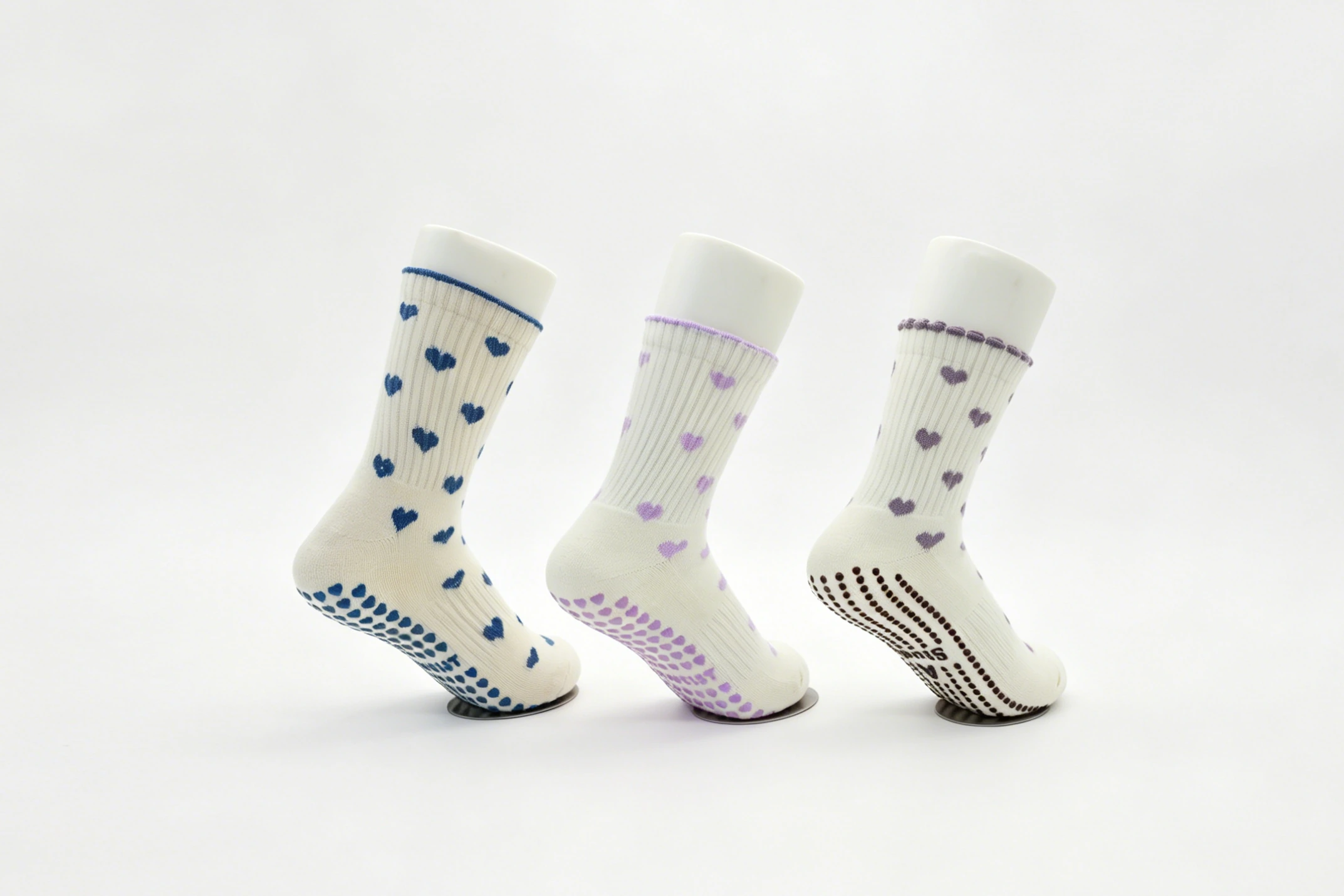
Visual reference · specifications and version to be confirmed
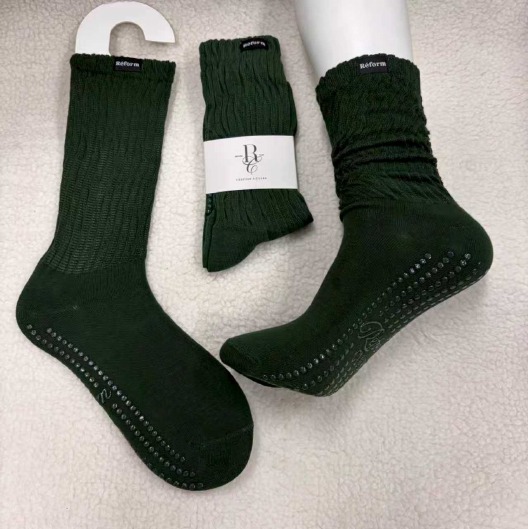
Visual reference · specifications and version to be confirmed
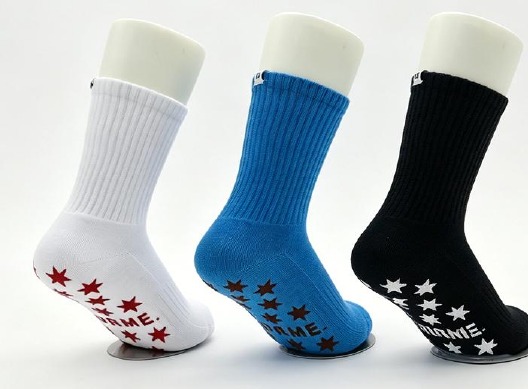
Visual reference · specifications and version to be confirmed
Develop grip socks around your studio or brand: define the sock construction, inner and outer grip, logo, fit and packaging, then confirm the physical sample.
Start by describing where movement occurs. A foot moving inside a sock and a sock moving against a surface are different observations. Record both before choosing a layout.
| Development direction | What to specify | What to verify |
|---|---|---|
| External sole grip | Grip position and pattern on the outside; intended mat, floor or equipment. | Contact during the intended movements, with the selected size and care conditions. |
| Double grip: inside and outside | Mark internal contact zones separately from the external sole. Internal heel and footbed layouts are not interchangeable. | Fit, comfort and movement at both interfaces. Extra grip does not establish better performance for every user or surface. |
| Brand-specific construction | Sock height, toe shape, cuff, cushioning and cotton-blend requirements. | Available construction, actual composition, measurements and sample version before confirming the model. |
A branded grip sock combines structure and visual details. Share the logo, desired colour references, placement and packaging concept together so they can be reviewed as one product.
The images below are visual references, not complete model specifications. Use a reference to explain your direction; request the actual model, composition, measurements and evaluation record before an order.
The sky-blue heart sample has confirmed internal silicone dots and external PVC hearts. Those details apply to that sample. Other photographs in this category remain visual references until linked to a specification.
| Interface | Specify | Record before approval |
|---|---|---|
| Foot against inner sock | Inner layout, terry, cuff and arch tension | Record movement inside the sock and comfort observations |
| Outer sole against surface | Outer layout and material; mat, floor or equipment | Record surface, dry / wet condition and the observed behaviour |
| Whole sock and wearer | Composition, size range, seam, cushioning and care | Check both ends of the intended size range |
| Brand and assortment | Artwork, colour, size split and packaging | Approve one version and identify every variant |
Use a documented sample comparison to evaluate grip socks. Keep fit, internal movement and contact with the surface separate, and record the conditions behind each observation.
Confirm the sample identity, measurements and colour reference together. A website reference ID, a production model and an approved revision have different purposes.
Give each artwork layer a clear purpose, position and size. The selected construction and physical sample determine what can be reproduced, not the screen mockup alone.
Approve an identified physical sample against a written brief. Keep visual direction, sample evaluation and production approval as separate decisions.
Plan packaging as part of the product brief. Give the buyer, designer and packing team one clear version of the product names, size information, artwork and assortment.
Compare quotations against the same product brief. Separate a ready-stock purchase from a custom development project before comparing quantities, timing or price.
Keep the sample identity, measured specification, artwork and packaging revision together. Check that any requested document applies to that product and its intended conditions.
Review evidence requirements · Open versioned planning documentsNo. Define the intended activity and the inner and outer contact requirements. Review the actual fit and construction under the agreed conditions before approving a version.
Use a photographed sample as the reference and list the changes you want: yarn colour, grip layout, logo, size mix and packaging. The selected materials, sample and order conditions are then confirmed for that version.
Compare the same use, sample reference, grip locations, fibre blend, dimensions, artwork, packaging and quantity allocation. Keep unconfirmed details as questions in the brief.
Specify the intended activity, wearer size range, preferred toe construction and sock height. Confirm the available construction, measurements and fit on a physical sample; a reference image alone does not establish a size range.
Mark the requested internal and external grip zones separately, including their dimensions and pattern. Describe arch fit and intended use. The visual concept starts the discussion; available construction and performance require sample-specific confirmation.
Tell us the direction you are exploring and the decisions you need help with. This page and its project context will travel with your inquiry brief.
Include your intended use, reference or drawing, size and quantity mix, destination and the questions you still need help with.